



William Swann grew up right next to Ardmore Park in Atlanta, Georgia, and over the years, he experienced firsthand the importance the park had to both the people in the neighborhood and the wildlife that depended on it. The park runs alongside the South Fork of Peachtree Creek and connects to Atlanta’s Beltline trail system, making it a place used by many people for walking, exercising, and spending time outdoors. However, especially after the COVID-19 pandemic, there was a noticeable rise in litter and pollution throughout the park. Plastic bags became caught in bushes and tree branches, food wrappers were left scattered along trails, and trash began collecting in the creek where ducks and other wildlife live. As these conditions became more common, the need for action grew larger. William understood that the pollution was not only harming a place that held personal meaning to him but also affecting a shared space important to the larger community. Motivated by years of memories and a sense of responsibility to both neighbors and the environment, William started the Ardmore Park Project to help restore the park to the clean, natural, and welcoming space it had been for years.
“I’ve walked that trail more times than I can count, and watching it get more and more polluted every year — that was the moment I knew I had to do something about it.” – William Swann
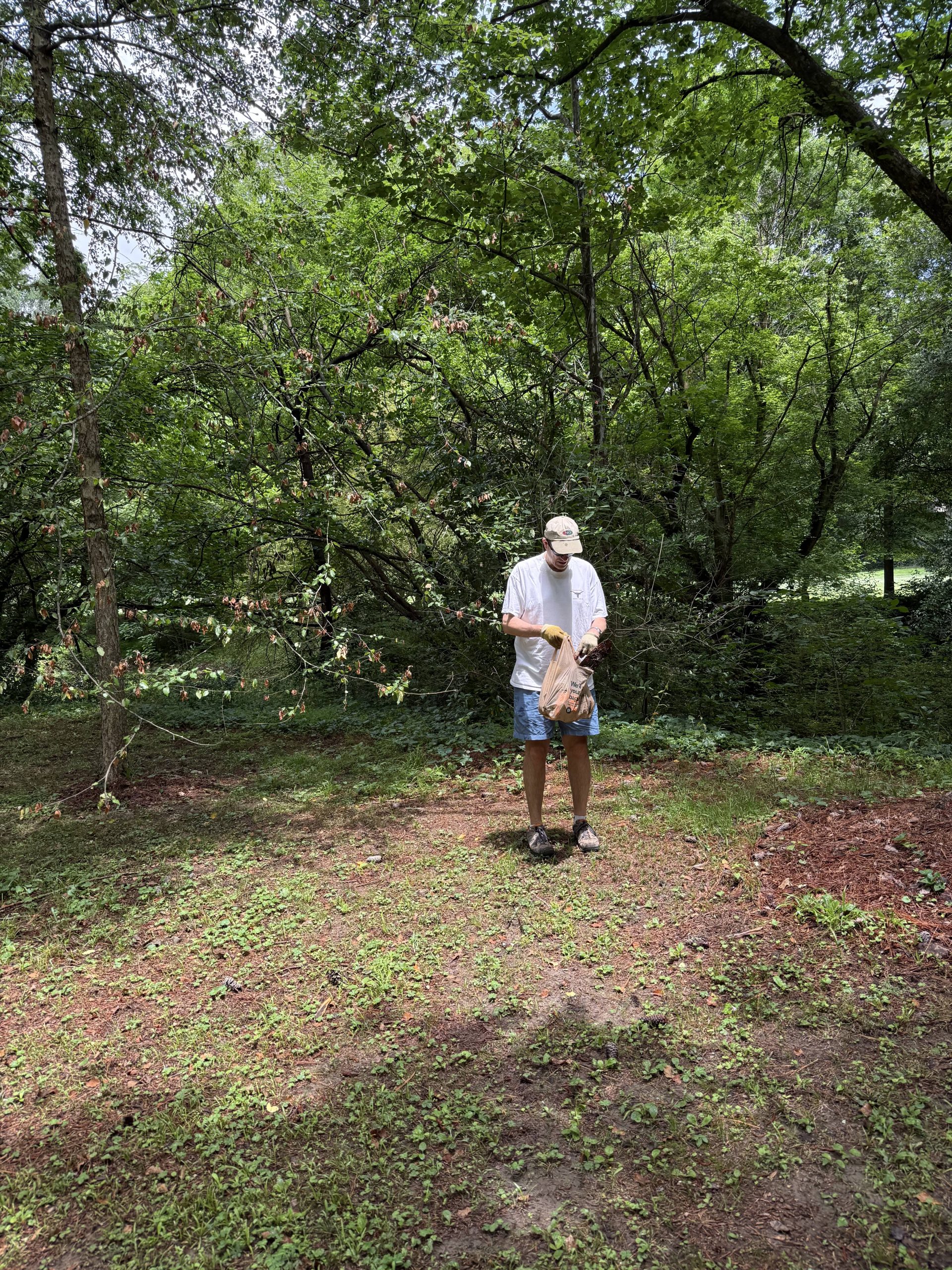
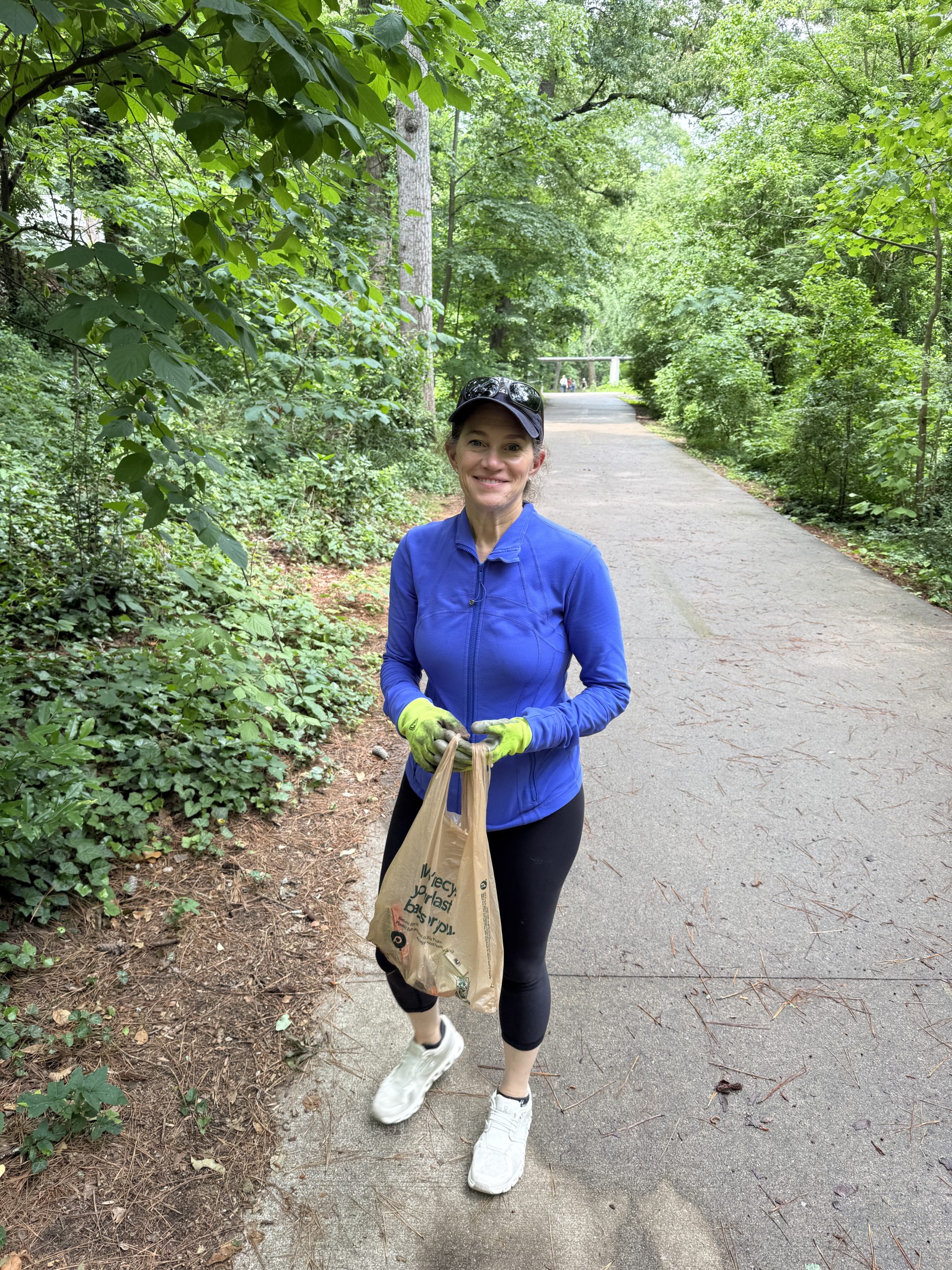
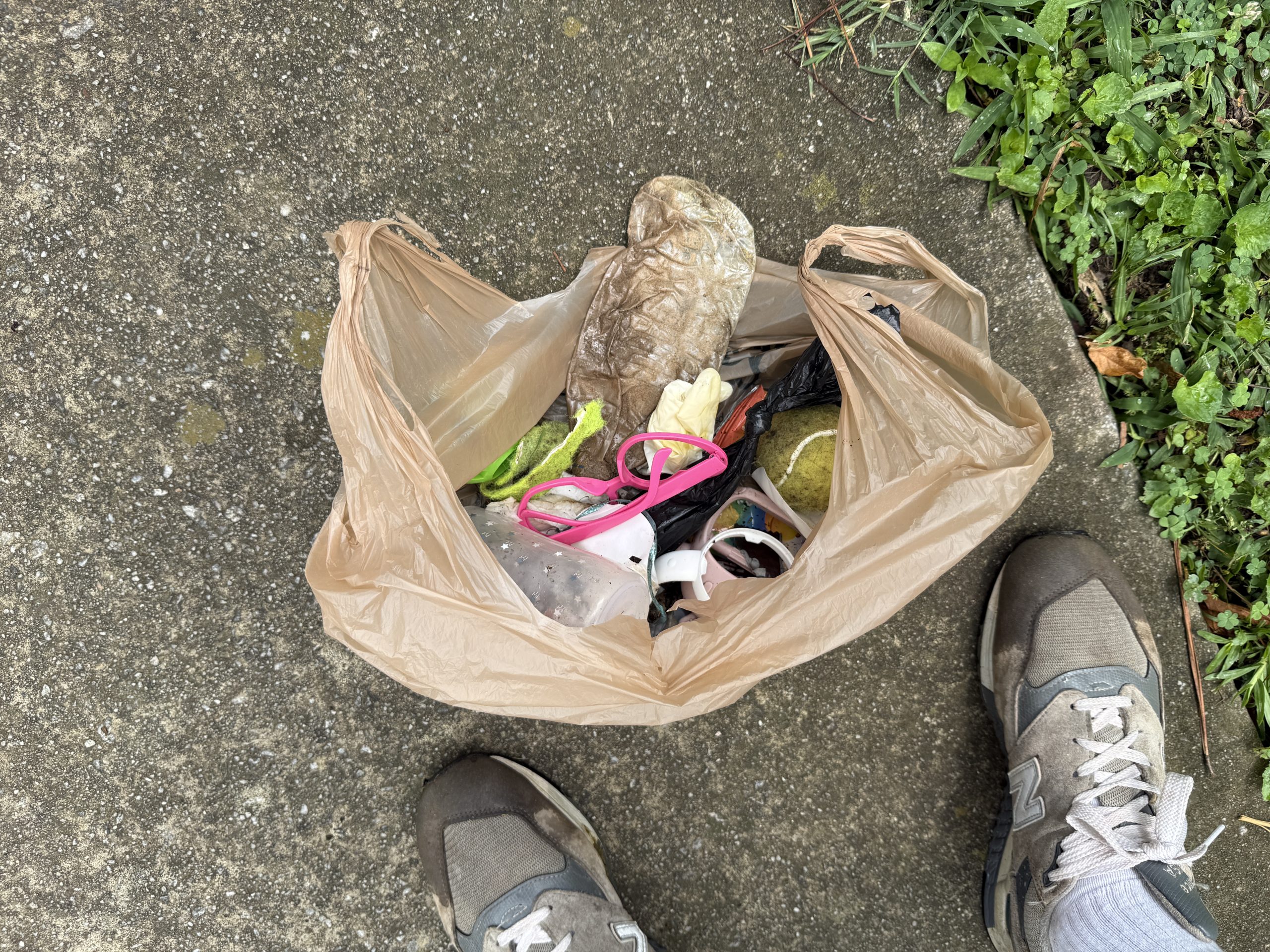
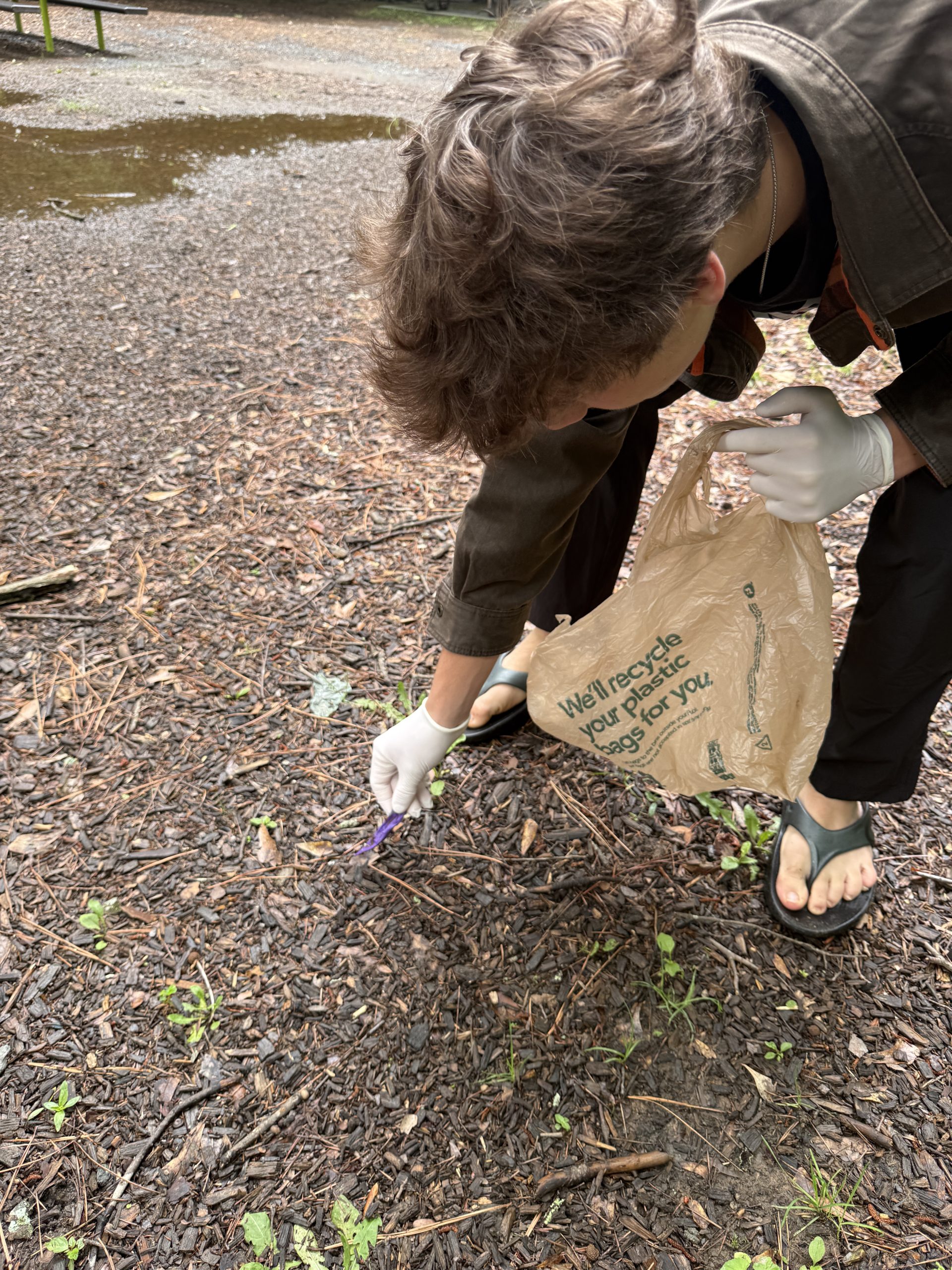
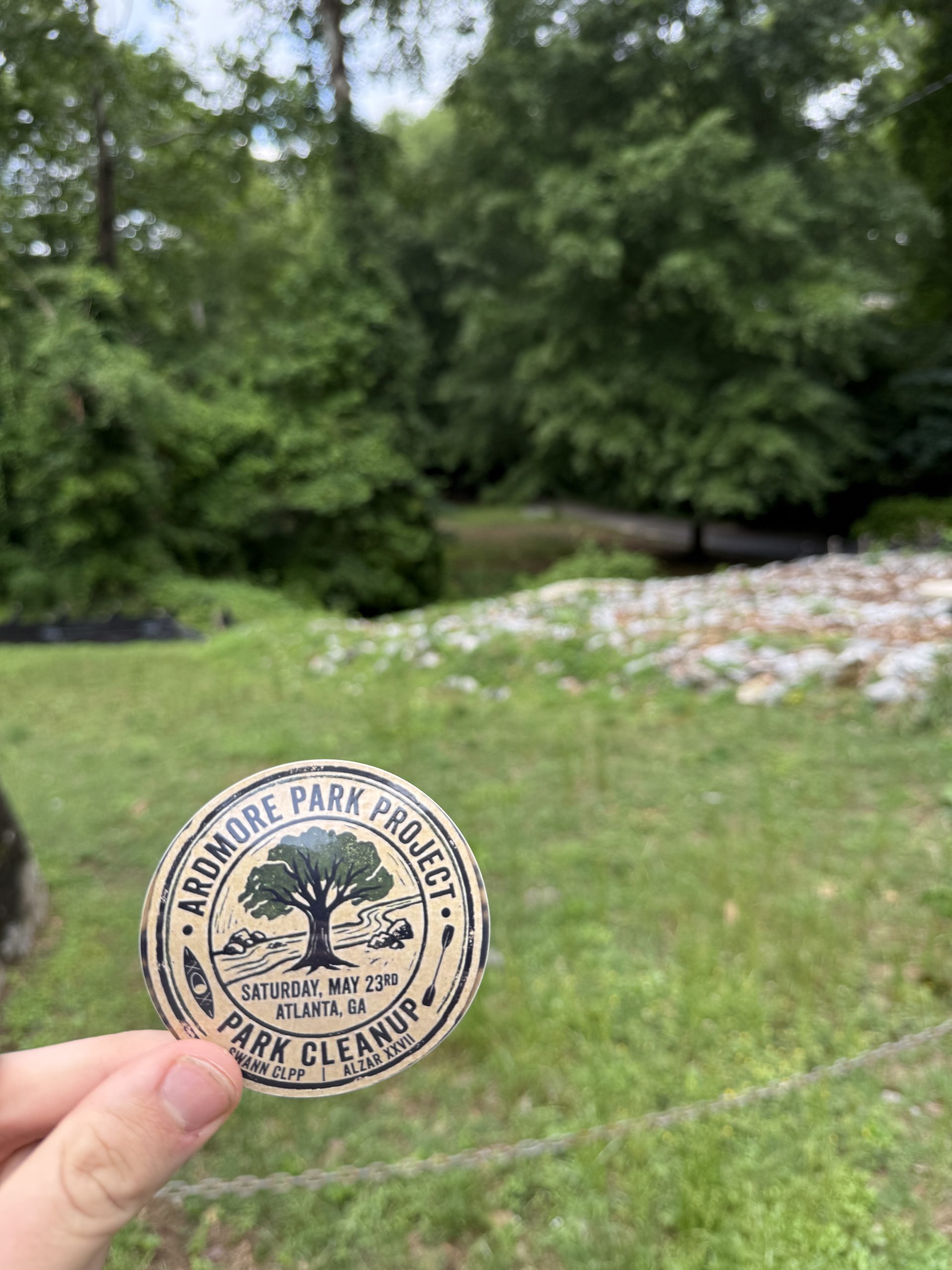
William planned the cleanup for the morning of Saturday, May 23, 2026, choosing a time that would allow community members to participate and draw attention to the growing litter problem in Ardmore Park. Efforts to spread awareness began through school announcements, emails, and word of mouth, encouraging classmates, neighbors, and residents to join the project. William also worked to gather supplies like trash pickers, gloves, and collection bags so volunteers would be prepared. On the day of the cleanup, despite drizzly, overcast conditions, volunteers gathered at the park and spread out along the trails and creek, where trash had accumulated over time. Working together, groups removed litter ranging from food wrappers and plastic bags to broken sunglasses and other debris along the water’s edge. Throughout the event, William helped organize volunteers, kept morale high, and ensured that collected trash went into proper waste bins, showing how a community effort could help restore a shared space.
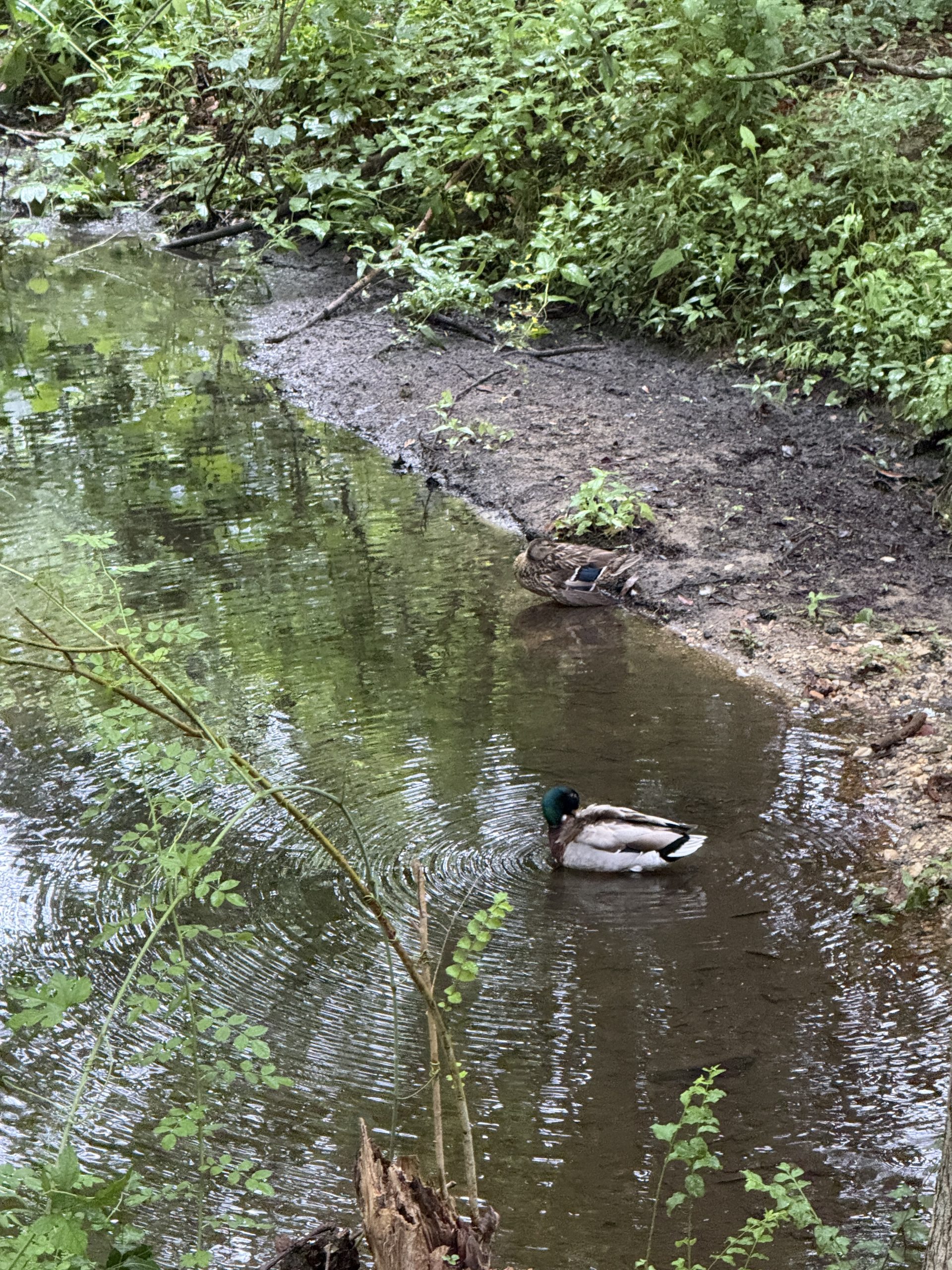
The Ardmore Park Project’s first of many cleanups was a success! Over approximately 2 hours, the volunteer team collected multiple bags of mixed litter from the trail, creek banks, and surrounding vegetation. The types of debris recovered ranged from plastic shopping bags and food wrappers to discarded eyewear, old tennis balls, broken cups, and general plastic waste — evidence of years of pollution. Beyond the trash removed, the cleanup demonstrated that a motivated, community-led effort can make a visible and immediate difference to a shared public space. Wildlife observed during the cleanup — including a pair of mallard ducks on the creek and a deer in the meadow — was a reminder of what is important when urban green spaces are neglected. The event also created a model: the stickers, school promotion, and post-cleanup celebration with food proved replicable for future events.
“Seeing those ducks on the creek right after we finished: that’s the whole reason we did this.” – William Swann
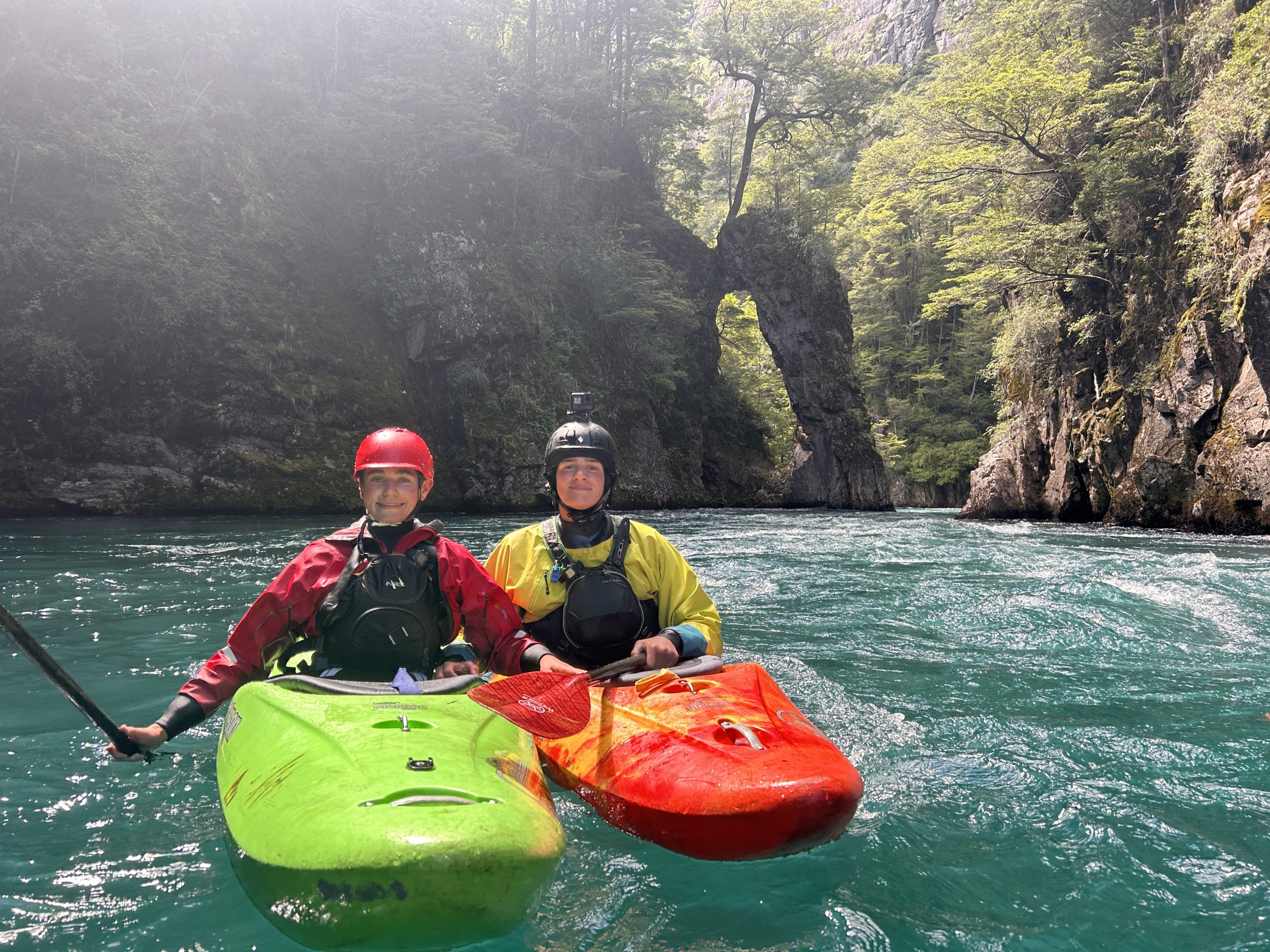
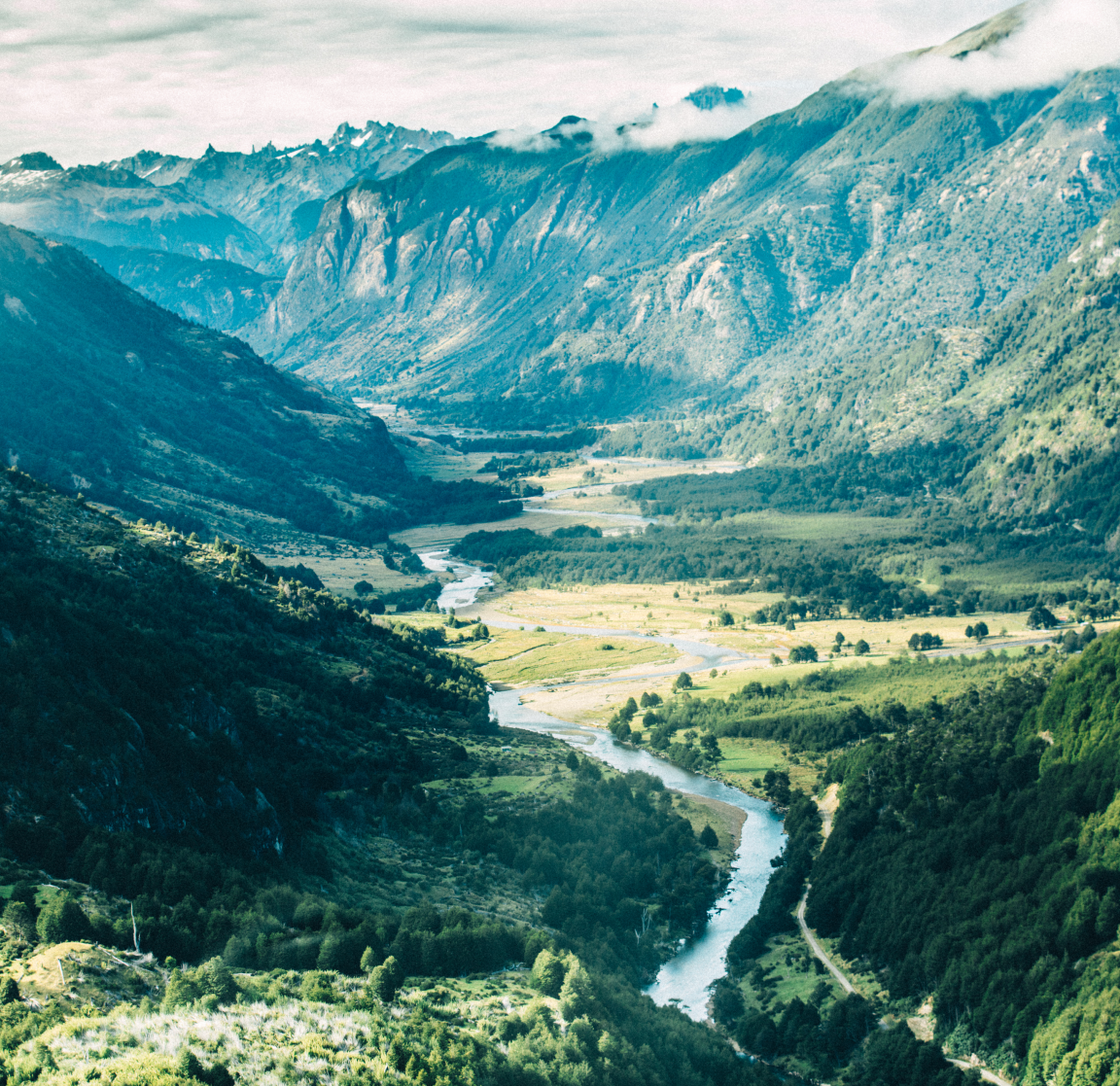
William plans to continue the Ardmore Park Project as an ongoing community initiative after his junior year. He hopes to complete at least 3 more cleanups over the summer and during his senior year. He also intends to form a small leadership group of underclassmen to continue the project once William graduates, so that the lasting effects of his projects won’t end. On a personal level, William’s experience designing and executing this project has deepened his commitment to environmental leadership and community organization: skills he plans to carry into his last year of high school and beyond. He also cites his work and experience at Alzar School as playing a pivotal role in the development of his leadership skills.
“Leadership doesn’t just happen; it takes a conscious and clear mindset to enact meaningful change.” – William Swann