




Frida Wright’s interest in wilderness first aid started the summer before attending the Alzar School, when she took her first wilderness first aid course and realized how important those skills can be both outdoors and in everyday life. While at Alzar, she took another course and became even more interested in emergency response and outdoor safety. She noticed that a lot of people avoid outdoor activities because they feel nervous about getting hurt or not knowing what to do in an emergency, while others who spend a lot of time outside still don’t always have basic first aid training. Frida wanted to create something that would make people feel more comfortable outdoors while also teaching practical skills they could use in real situations. When it came time to choose her Culminating Leadership Project, she knew she wanted it to involve wilderness first aid because it connected directly to something she genuinely cared about and wanted to continue learning more about.
“I think learning first aid helps people feel more comfortable getting outside, but it also gives people confidence that they could actually help someone if something happened.” – Frida Wright
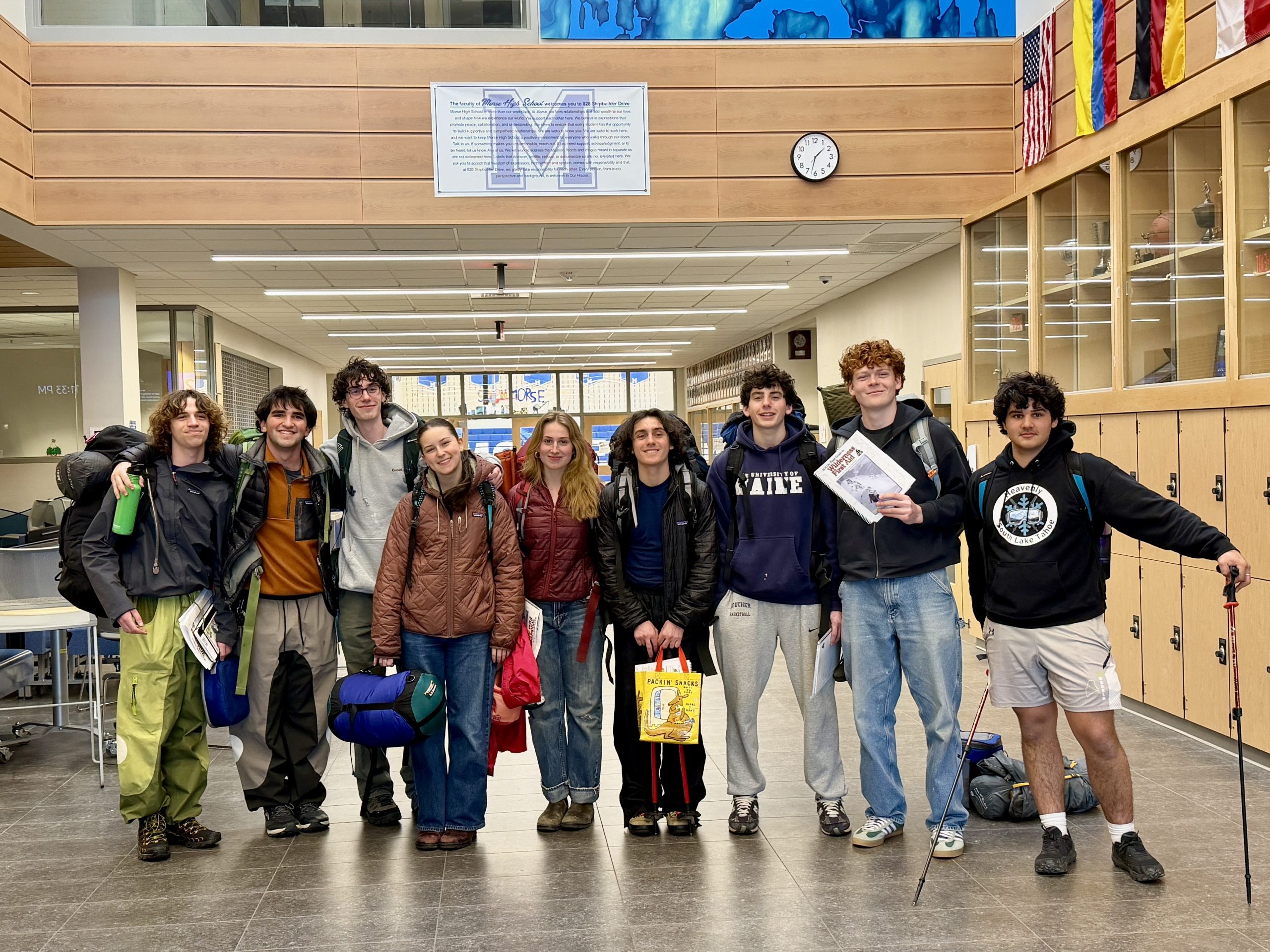
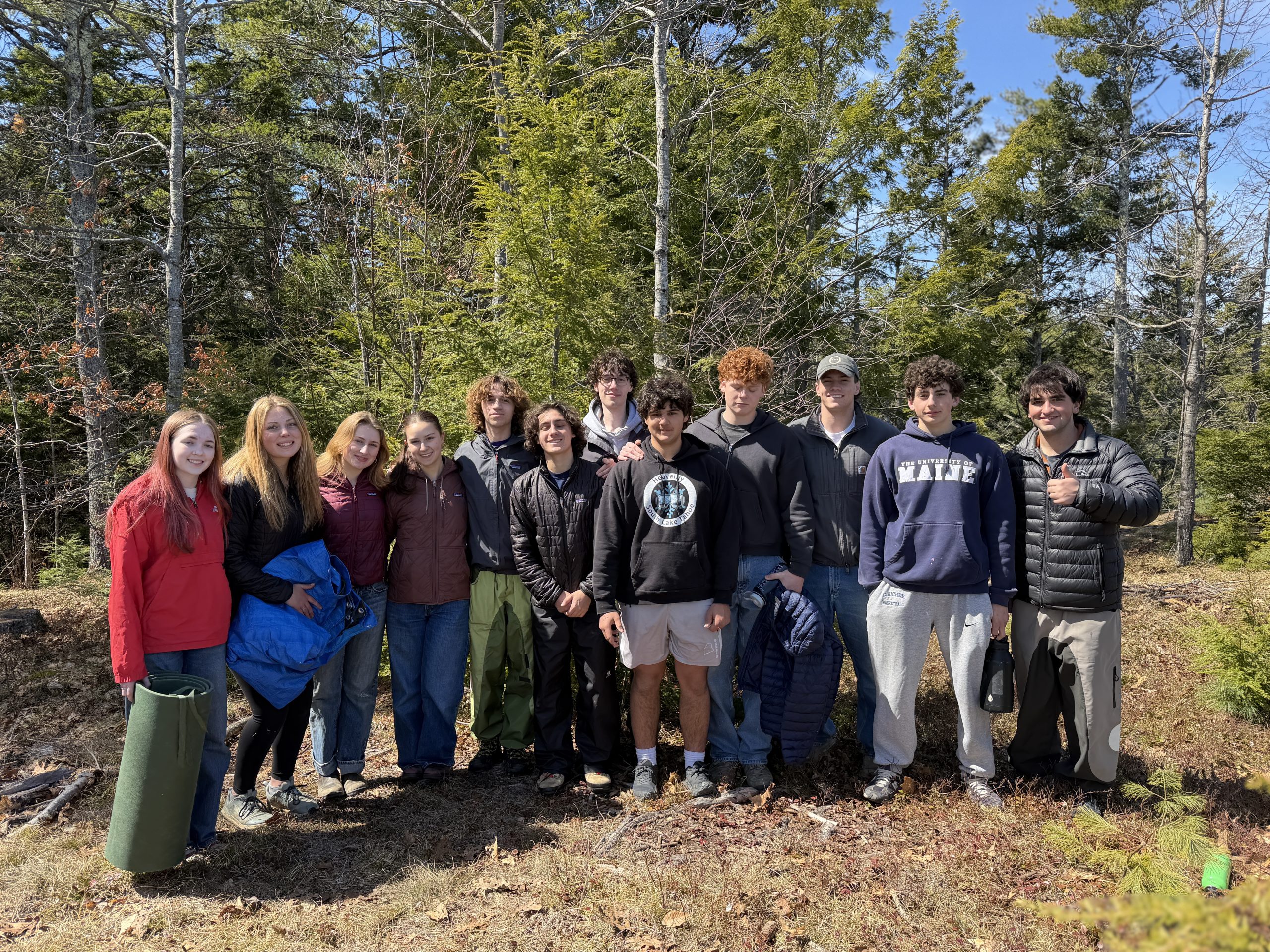
When Frida first returned home from Alzar, there were several last-minute changes that made starting the project stressful, and at first she felt unsure about how everything would come together. After reconnecting with Courtney, a wilderness first aid instructor she had previously taken a course from, the project quickly gained momentum. Courtney became one of the biggest supporters of the project and helped Frida organize and teach two different courses. The first was a two-day wilderness first aid course using SOLO curriculum and wilderness medicine content, but Frida and Courtney worked hard to make the class interactive instead of lecture-based. Before teaching the course, they spent time calling and meeting in person to go through lesson plans, organize activities, and figure out how to make the material more engaging for students. During the course, Frida acted as a student teacher by helping lead lessons, assisting with demonstrations, and teaching specific topics.
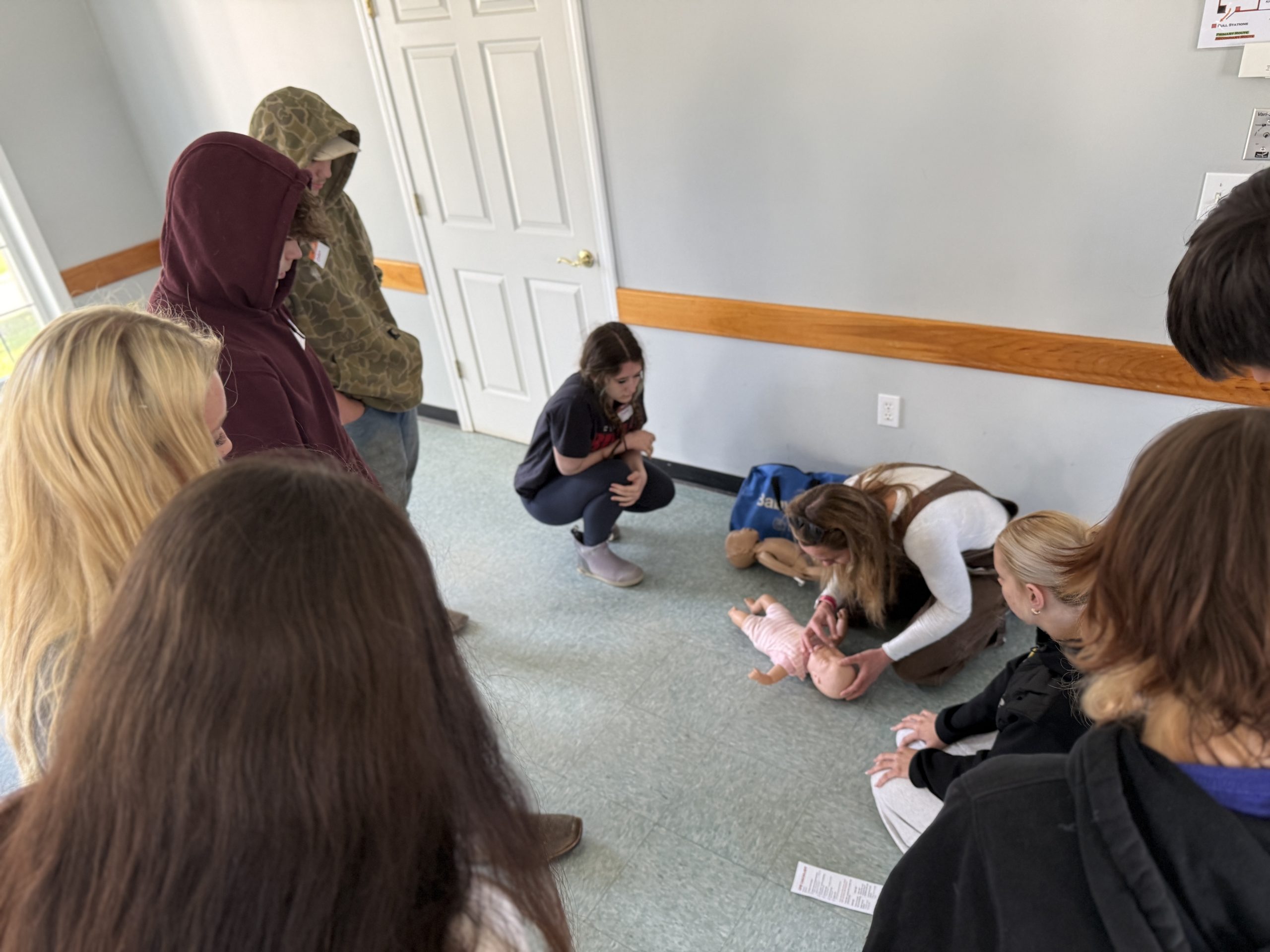
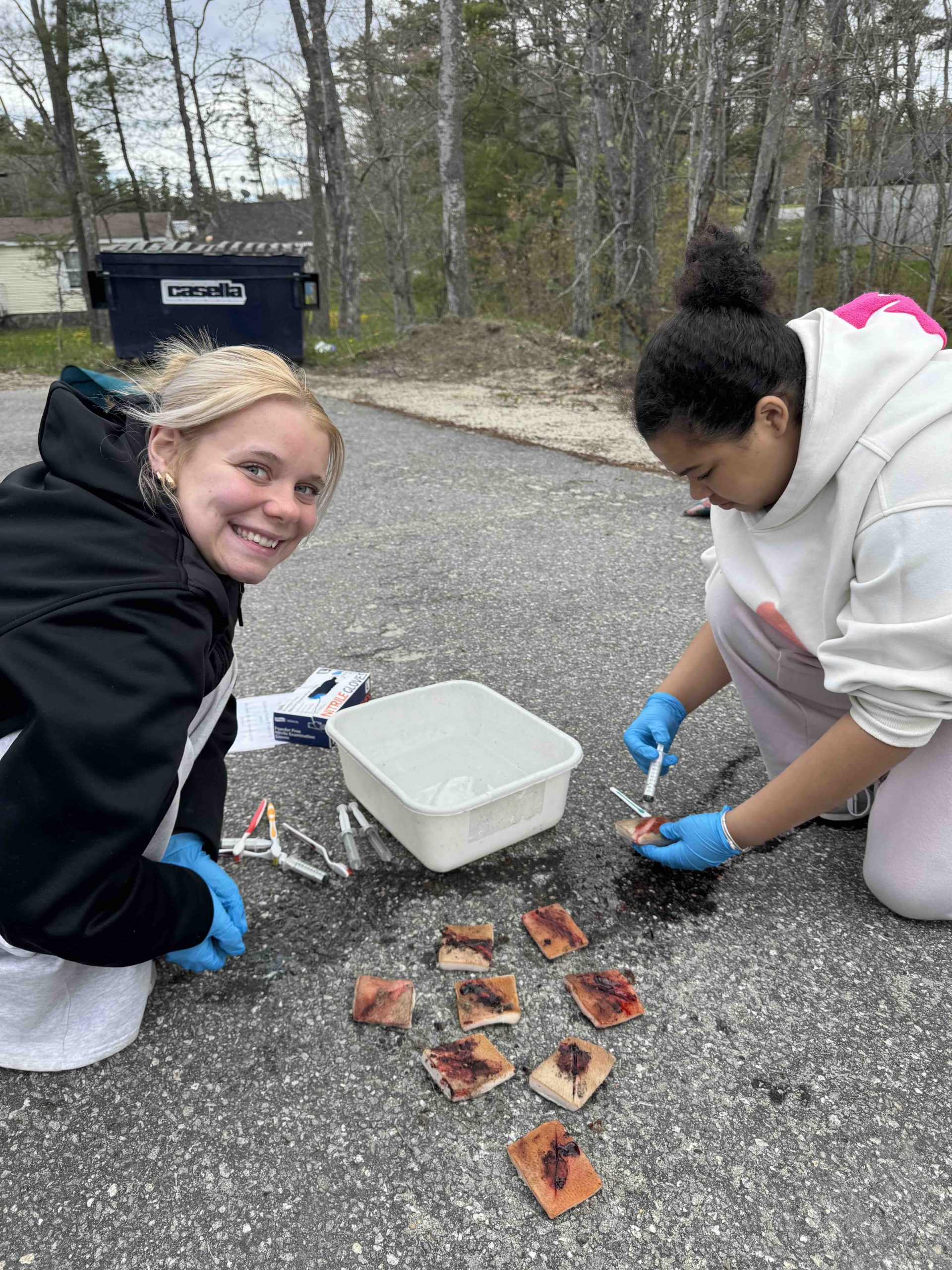
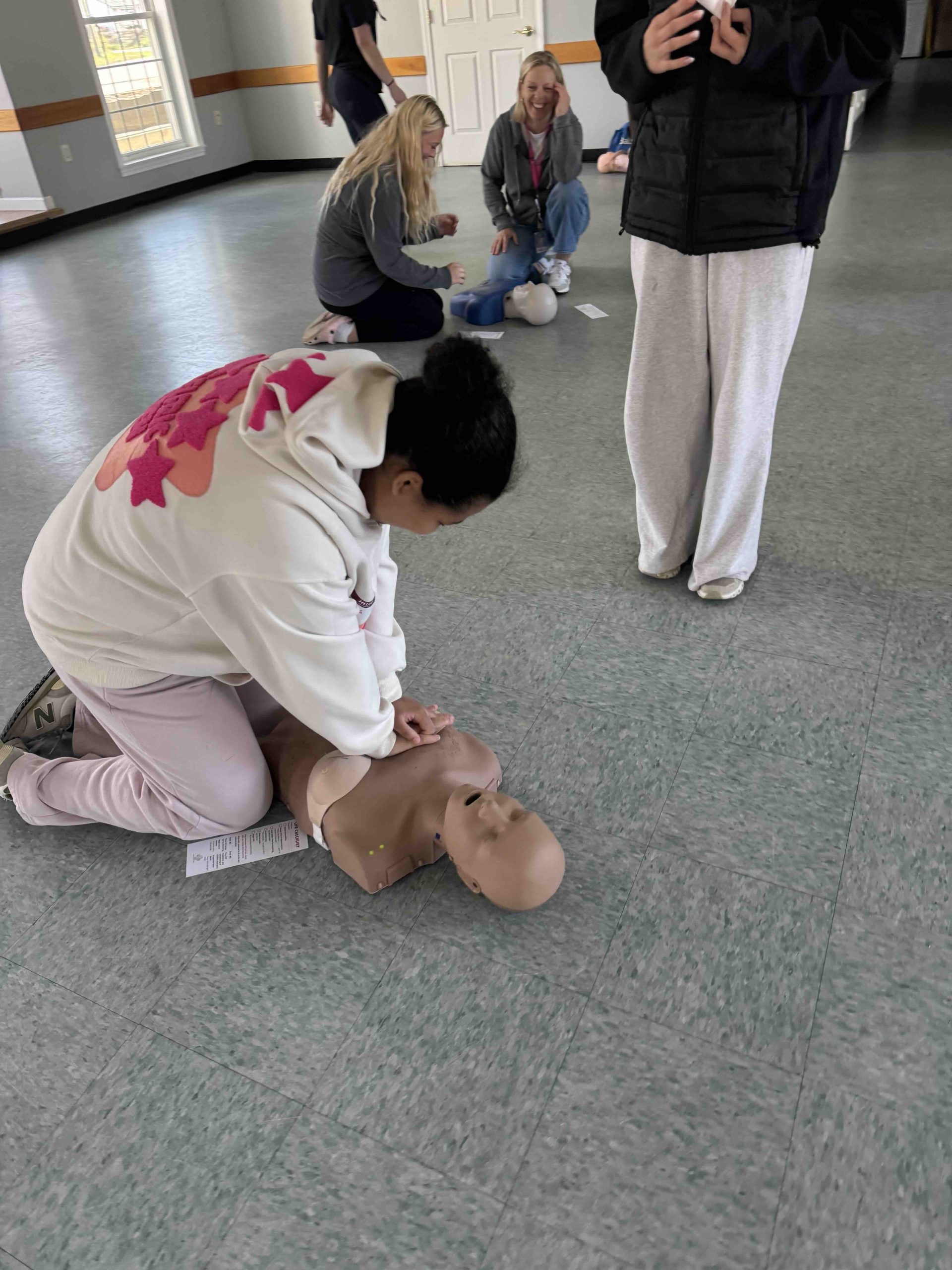
After the first course went well, Frida wanted to continue the project and worked with teachers from her school’s CPP program to organize a second, one-day first aid course designed specifically for that group of students. Because the class focused more on situations students might realistically encounter in their own lives, some of the material had to be planned from scratch. Frida, Courtney, and the CPP teachers met multiple times to tailor the course and create activities that would feel useful and realistic. With help from Frida’s father, they were able to host the training in a local fire department meeting room. The course included hands-on activities such as wound cleaning, CPR certification, the Heimlich maneuver, and a dispatcher scenario where students practiced making a 911 call during a simulated emergency.
“One of my favorite parts of the project was figuring out how to make the classes really interactive so people were actually involved instead of just sitting there listening the whole time.” – Frida Wright
Frida’s project successfully provided first aid and wilderness medicine education to students in her community through two separate courses. The first wilderness first aid course involved around 10–15 hours of planning and included approximately 15 students. Frida worked closely with Courtney throughout the planning process and gained experience helping teach and organize a real wilderness medicine course. The second course required even more preparation, with around 20 hours spent planning and personalizing the material for the CPP students. Frida’s action team for the second course included Courtney as the main instructor, Ms. Bunker and Ms. Baker from the CPP program, and Frida’s father, who helped secure the fire department location for the class.
After both courses, students shared positive feedback about feeling more prepared to respond during emergencies and more confident participating in outdoor activities. The interactive activities made students more engaged and allowed them to practice skills in realistic situations rather than just hearing about them. Frida also gained leadership experience by helping teach, organizing logistics, communicating with instructors and school staff, and adapting lesson plans to fit different groups of students. The project not only taught practical first aid skills, but also helped create a learning environment where students felt comfortable asking questions and practicing new skills.
Although Frida does not currently have another official project planned, the experience strengthened her interest in wilderness medicine, teaching, and outdoor leadership. Through working closely with Courtney and helping teach both courses, she discovered that she enjoys teaching hands-on skills and creating environments where people feel comfortable learning. Courtney has invited Frida to continue helping with future courses, which Frida hopes to stay involved in as she continues building her own wilderness medicine knowledge and certifications. She also plans to continue exploring opportunities related to emergency response, outdoor education, and leadership in the future. Even though her official CLP has ended, Frida hopes the impact of the project will continue through the students who now feel more prepared and confident responding to emergencies in both outdoor and everyday situations.
“This project made me realize how much I enjoy this kind of work, and I definitely want to keep learning more and helping teach courses in the future.” – Frida Wright