




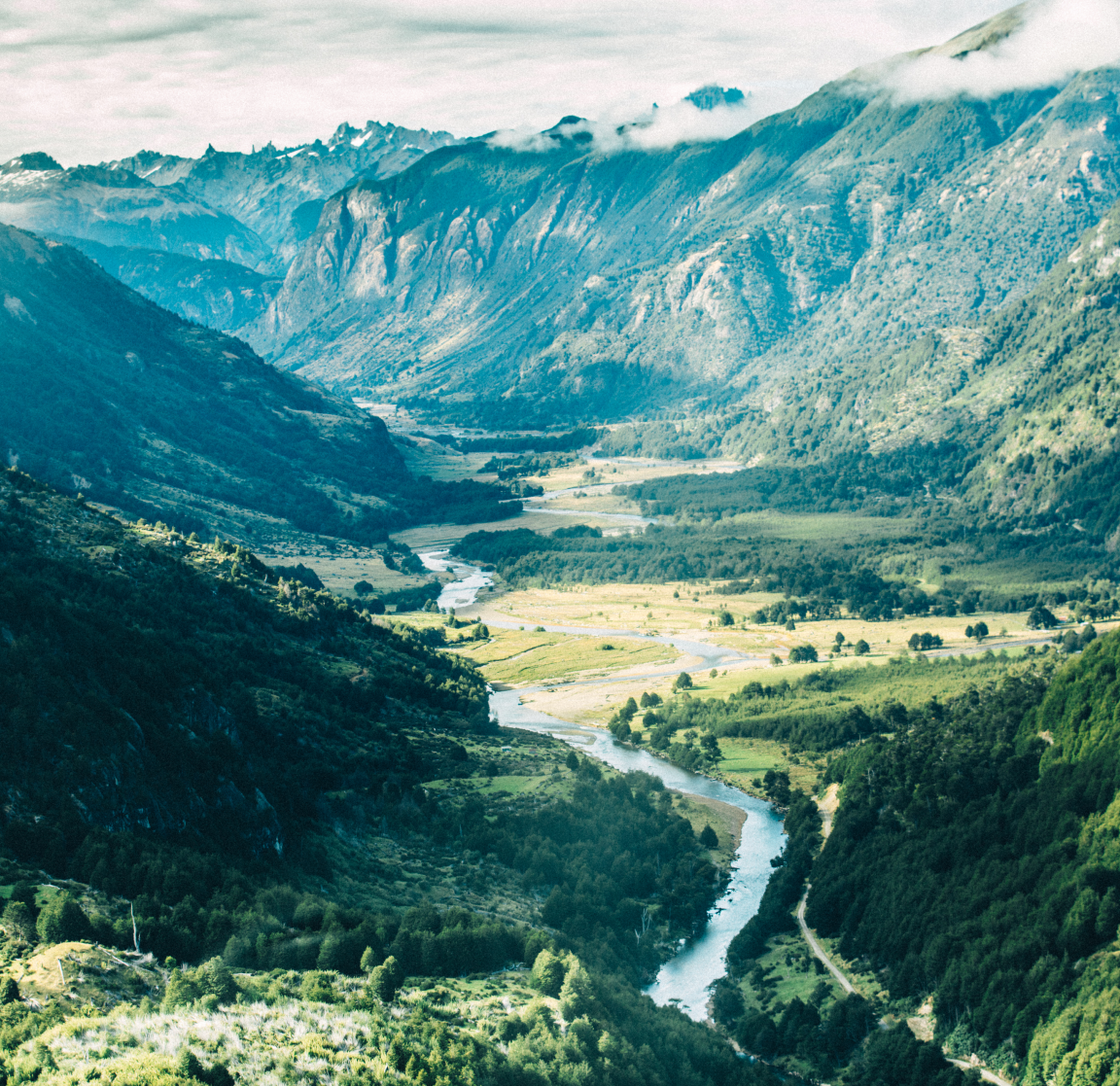
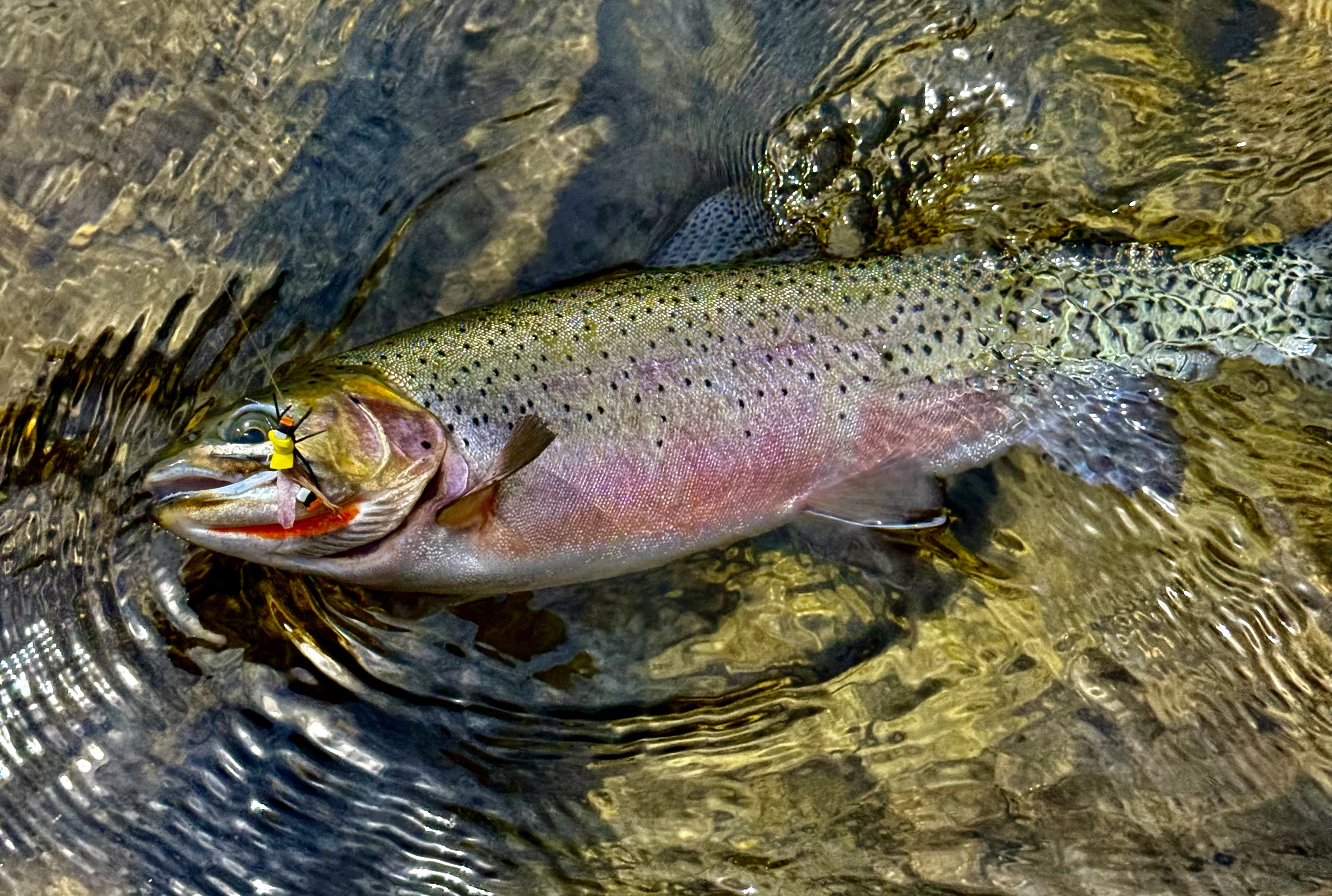
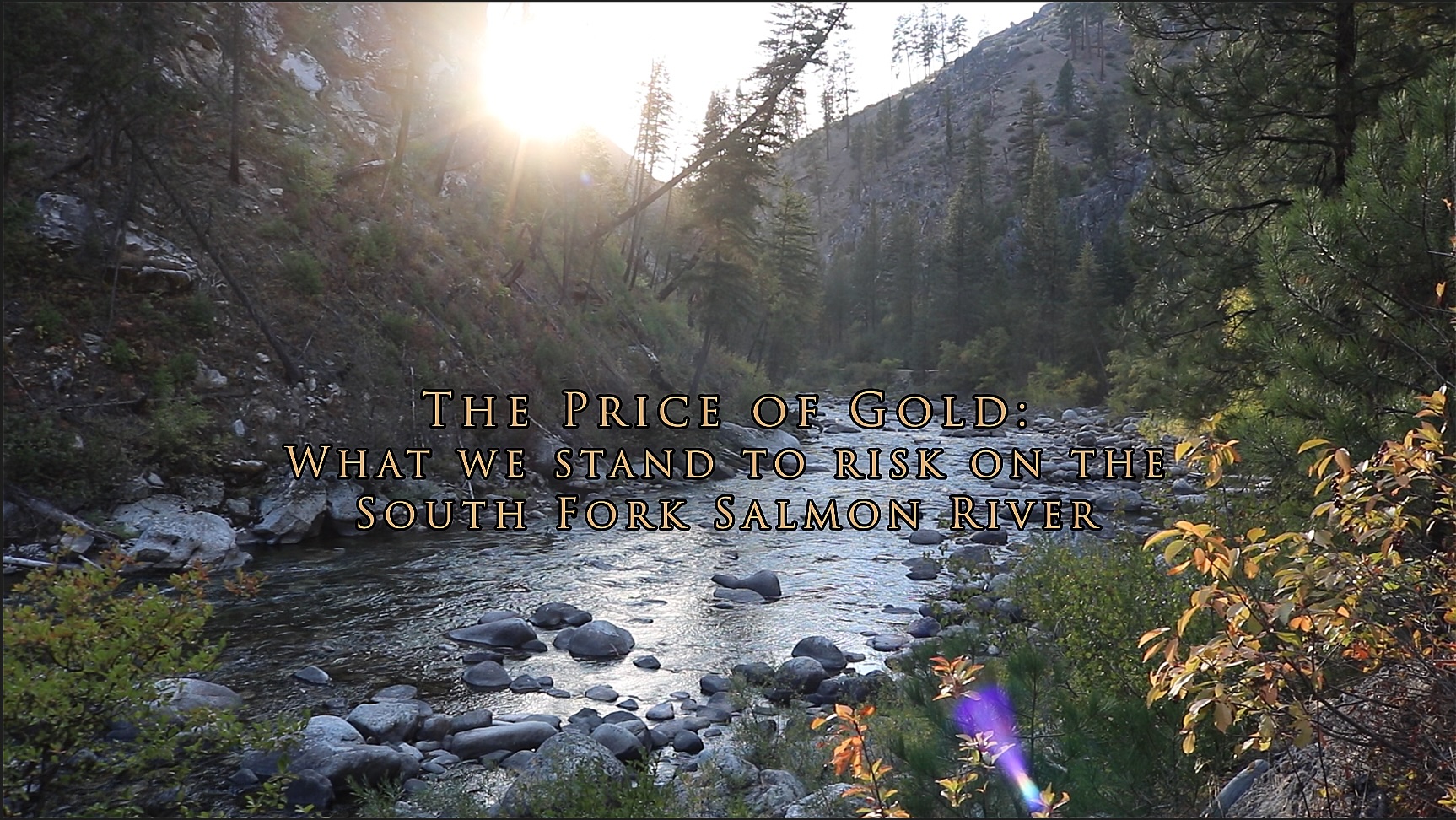
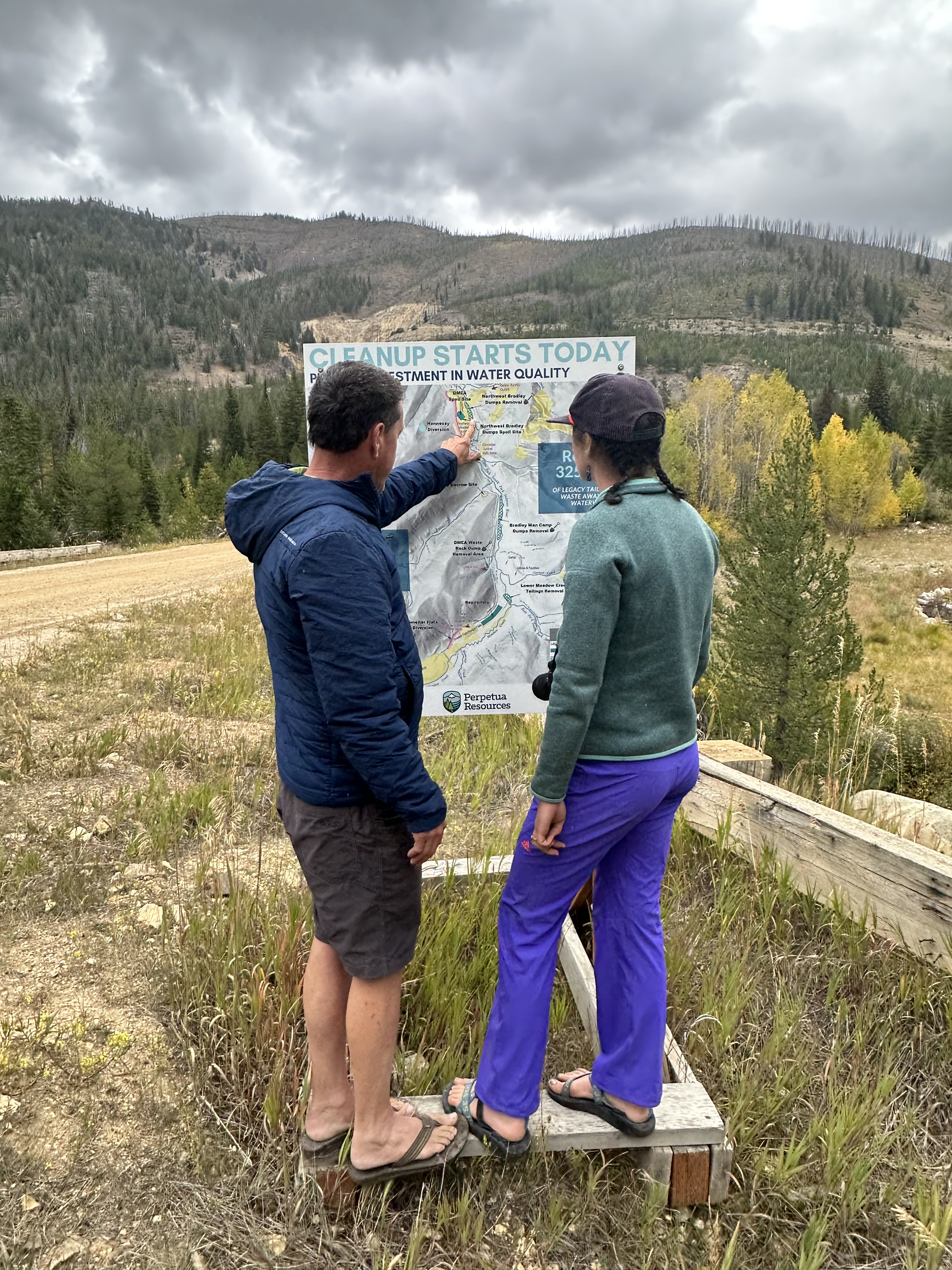
The proposed Stibnite mine, located at the headwaters of the South Fork of the Salmon River, is a massive threat to the well-being of this pristine river as well as the entirety of the Salmon River drainage. Because the mine could pummel chemicals and minerals into the natural, serene river, the entire watershed is threatened by this proposal. The South Fork is an essential part of central Idaho and is important to the local economy, culture, and balance of the area. Several endangered fish species, as well as other animals in the area, depend upon this river’s health.
In addition, it is one of the most sought-after advanced whitewater sections in the country, attracting rafters and kayakers from all over the world. Protecting this river protects the future and quality of the river itself and whitewater recreation on the South Fork and any river downstream of the mine, including the well-regarded Main Salmon.
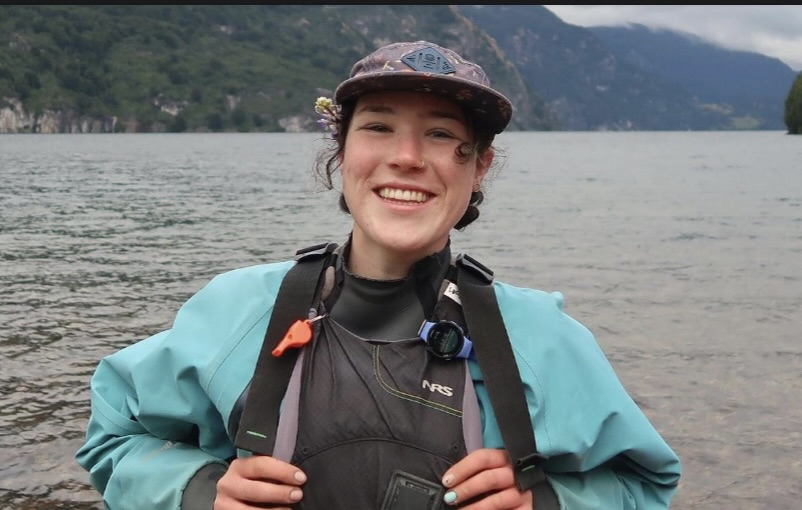
As a kayaker and Idaho local, Lucille has been faced with the possibility that, with the Stibnite mine, she may not be able to experience the world-class whitewater she grew up watching her idols paddle. More than that, it is more than a possibility that she will see one of her favorite places become degraded beyond viable restoration and some of the key species in the river go extinct. In order for Lucille, and generations to come, to be able to utilize this resource, its vital the South Fork is preserved and protected.
“I want to continue to be able to enjoy this special place and continue to see it healthy and thriving throughout my life and long after I’ve gone.” – Lucille Bennett
Lucille’s project began with a lot of research, including several interviews, many emails, and a multitude of hours spent sifting through conservation websites. The major resources she utilized include Idaho Conservation League, Idaho Rivers United, and Save the South Fork Salmon–the conservation groups Lucille kept in contact with from the start of the project. She also worked with a local film editor, who was a valuable resource in providing guidance as a professional film maker. Because of their litigation involvement with the company of the mine, communication was difficult with the Nez Perce Tribe, who is greatly impacted by Stibnite.
However, Lucille was eventually able to coordinate an informational meeting with the group. This proved to be extremely valuable and provided extensive information about the grim impacts on the ecosystem and culture of the tribe, deepening her understanding of the Stibnite mine project and strengthening her film. The local involvement contributed to the message of the film and showed the communal love of the area.
One community member and advocator against Stibnite, Judy Anderson, commented on the importance of the river, saying, “There should be some things that are sacred, and the Salmon River, for Idahoans especially, is a sacred river.”
Despite challenges such as difficulties in communication, many technological issues, and time pressures, Lucille was able to put together her film with interviews from conservation groups, videos and photos from locals, and outreach of the final product from family, friends, and caring community members.
The project took place over the span of over 7 months, during which Lucille spent over 120 hours worth of planning, researching, connecting with organizations, filming, creating the script, editing, reediting, and finally finishing and releasing the film. She connected with four local organizations for research and information, as well as filmed interviews which were incorporated into the film. She also was able to get photos and videos from 5 community members to showcase the communal love of the South Fork Salmon River and surrounding area. The resulting video, helped in part by sharing from Lucille’s family and friends, reached over 500 people within the first two weeks of releasing. The project resulted in what Lucille intended for it to be: informing her community on a pressing threat to an essential aspect of her community and engaging people on the importance of conservation on the South Fork of the Salmon.
Although the film is complete, Lucille intends to keep advocating for conservation, especially when it comes to the South Fork Salmon against the Stibnite mine. While she plans on attending college outside of Idaho, this area will always hold a special place in her heart and she plans on doing everything she can from wherever she ends up to prevent the mine from being implemented and damaging this sacred area beyond restoration. She hopes that with this film, more community members will understand what’s truly at stake and fight alongside conservation groups to keep the South Fork clean and free for the good of the environment and local culture relying upon it.
“For those of us who truly care, we won’t stop until this river is no longer threatened by the Stibnite mine. As long as this mine remains a threat, there is a significant risk to the critical species depending upon it, the culture of the people who find happiness here, and the sacred river that makes this area of Idaho home.” – Lucille Bennett