





Kamu Dominguez grew up primarily in Minneapolis, Minnesota, although he also spent parts of his youth living in Vermont and Costa Rica. As a child, he was accustomed to coming home from playing in the woods to a fresh home-cooked meal that more often than not featured fresh produce and ingredients from the garden. He believes that having access to healthy home-cooked food like the dishes he ate growing up is something everyone should have the right to, but recognizes that many people in his community do not have access to the kind of food he had growing up and continues to eat and cook. This is the driving factor for why Kamu felt there was a need to create a program that would help youth learn to cook healthy food, which he said “is very important because it is a skill that they will be able to rely on for the rest of their lives.” Kamu also has a very personal connection to the project besides his value for healthy food. This is because to help complete this project, he has partnered with a grassroots non-profit called Sisters’ Camelot that helps provide groceries and cooks community meals that he and his mom have been volunteering with for many years.
Kamu believes that there are two main barriers that prevent people from having access to healthy food. The first is access to healthy ingredients, and the second is the knowledge necessary to be able to properly prepare the healthy ingredients. The program he is creating will help address the lack of knowledge in how to prepare good food. Even though the youth participating in the program will leave with the necessary knowledge to prepare healthy food, obtaining healthy ingredients could still pose a barrier to cooking healthy foods. This is why he is partnering with Sisters’ Camelot. After the classes, they will help provide the participants with fresh organic ingredients so that they will be able to actually implement the information they obtained during the class. The current plan is to host three classes with around 10 kids and two teachers in a community kitchen that has agreed to let us use the space for free. Currently, because of scheduling complications between when the kitchen is available, when instructors are available, and Kamu’s availability, it has not been possible to begin classes, but as school is about to be out soon for him, he hopes to host the first class by the end of June. He is also very grateful to the family and people at his partner organization.
“Stoke levels among the people supporting me in this project are very high and have been a big help with keeping the initiative progressing.” – Kamu Dominguez
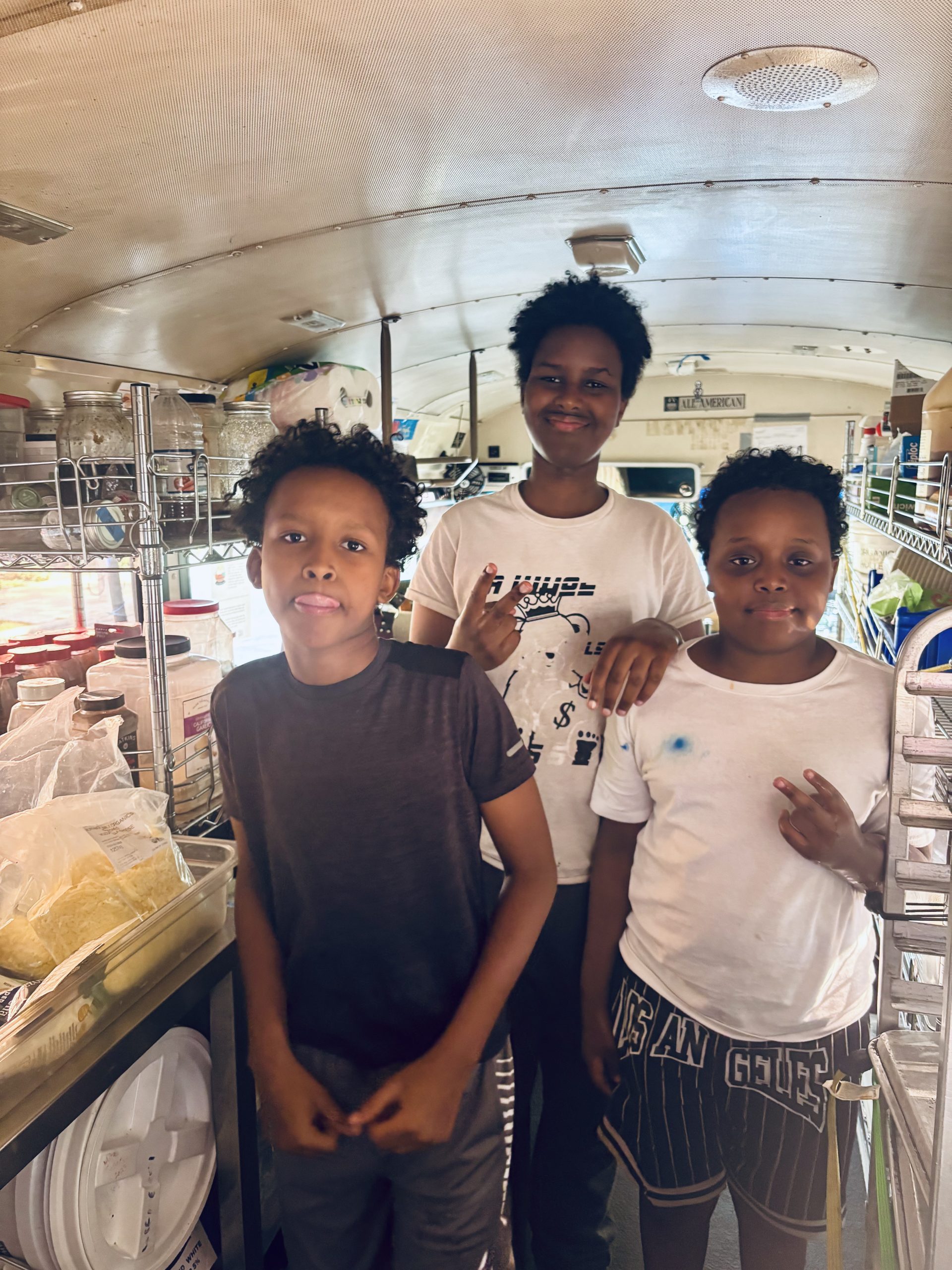
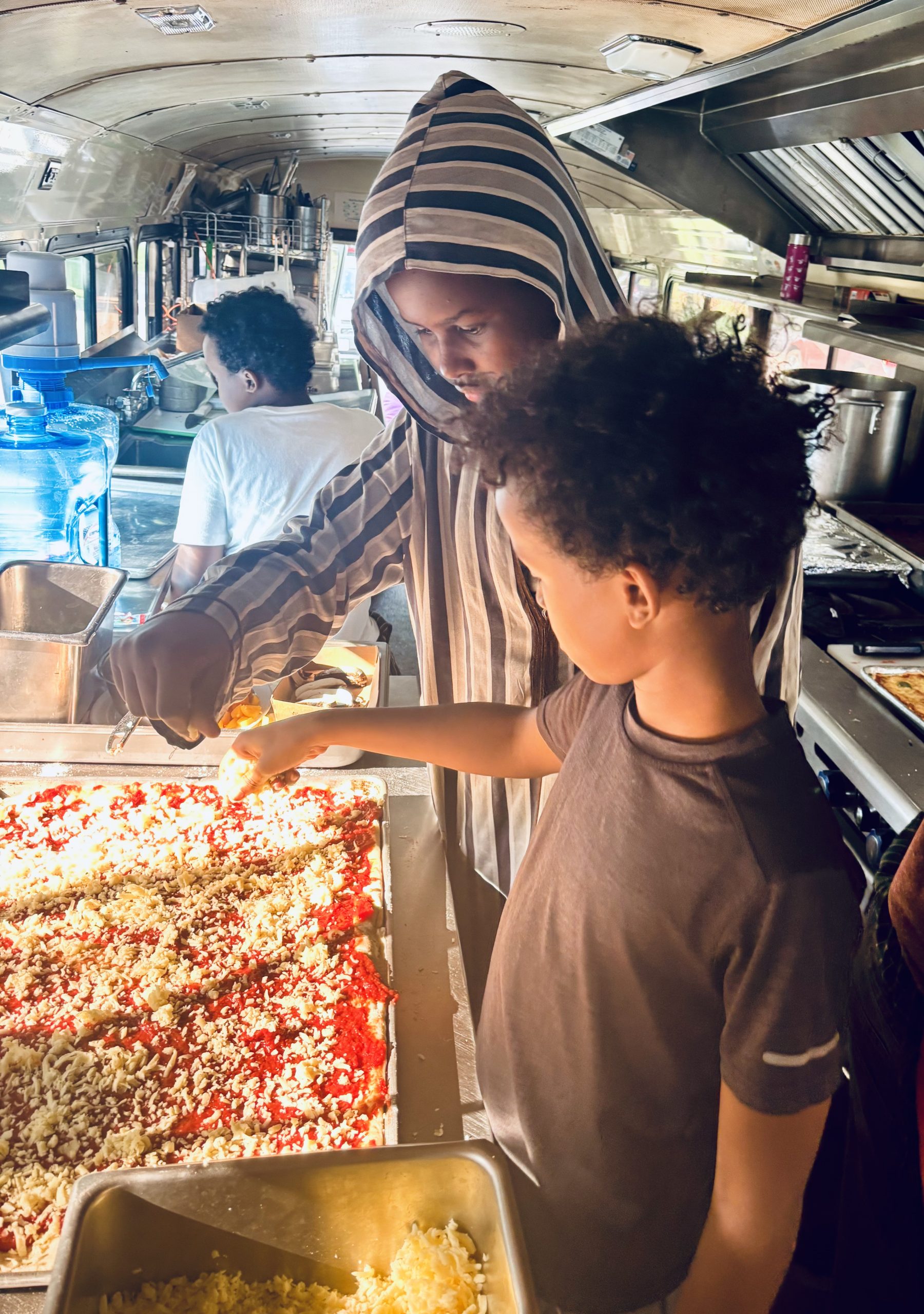
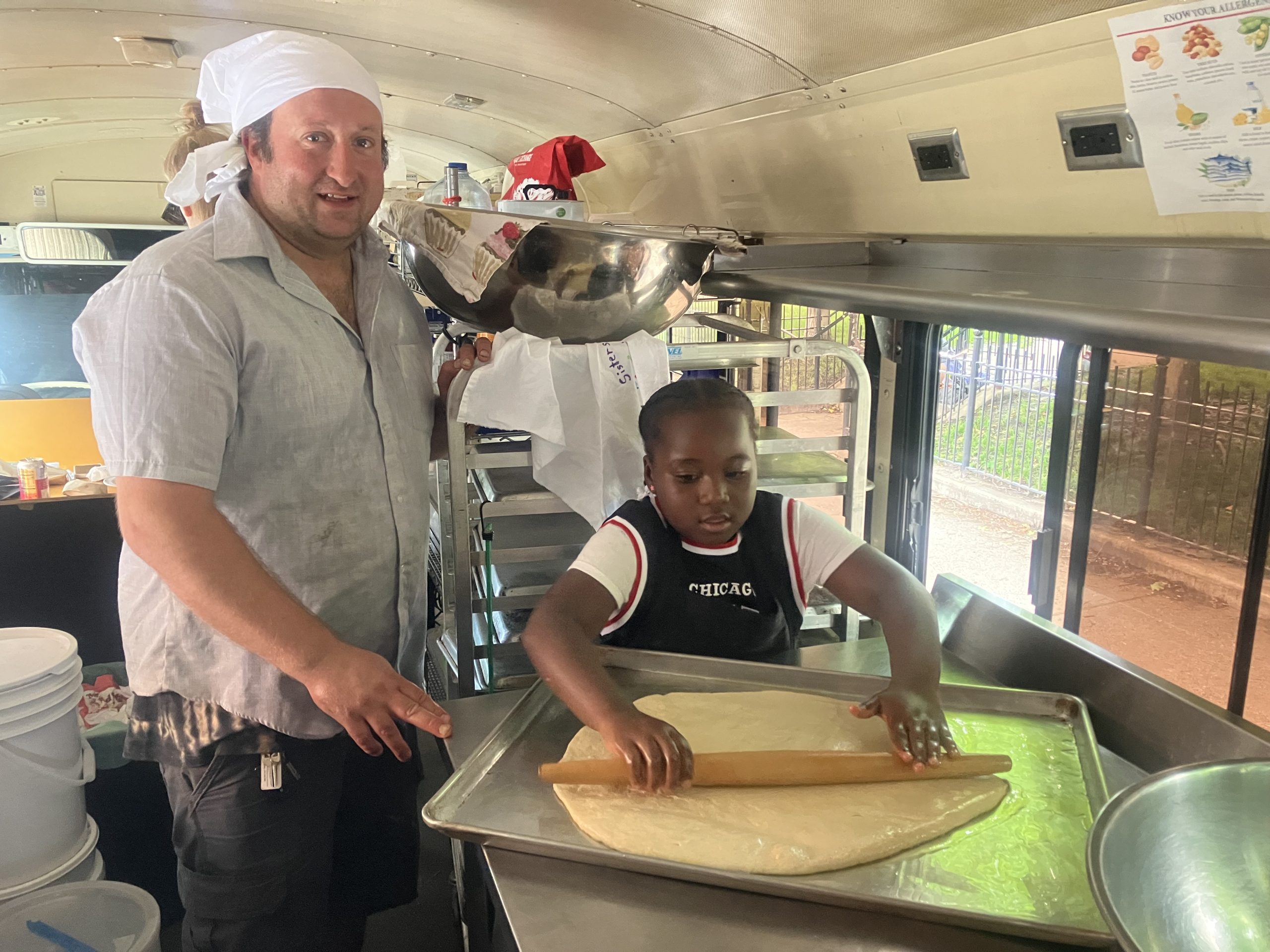
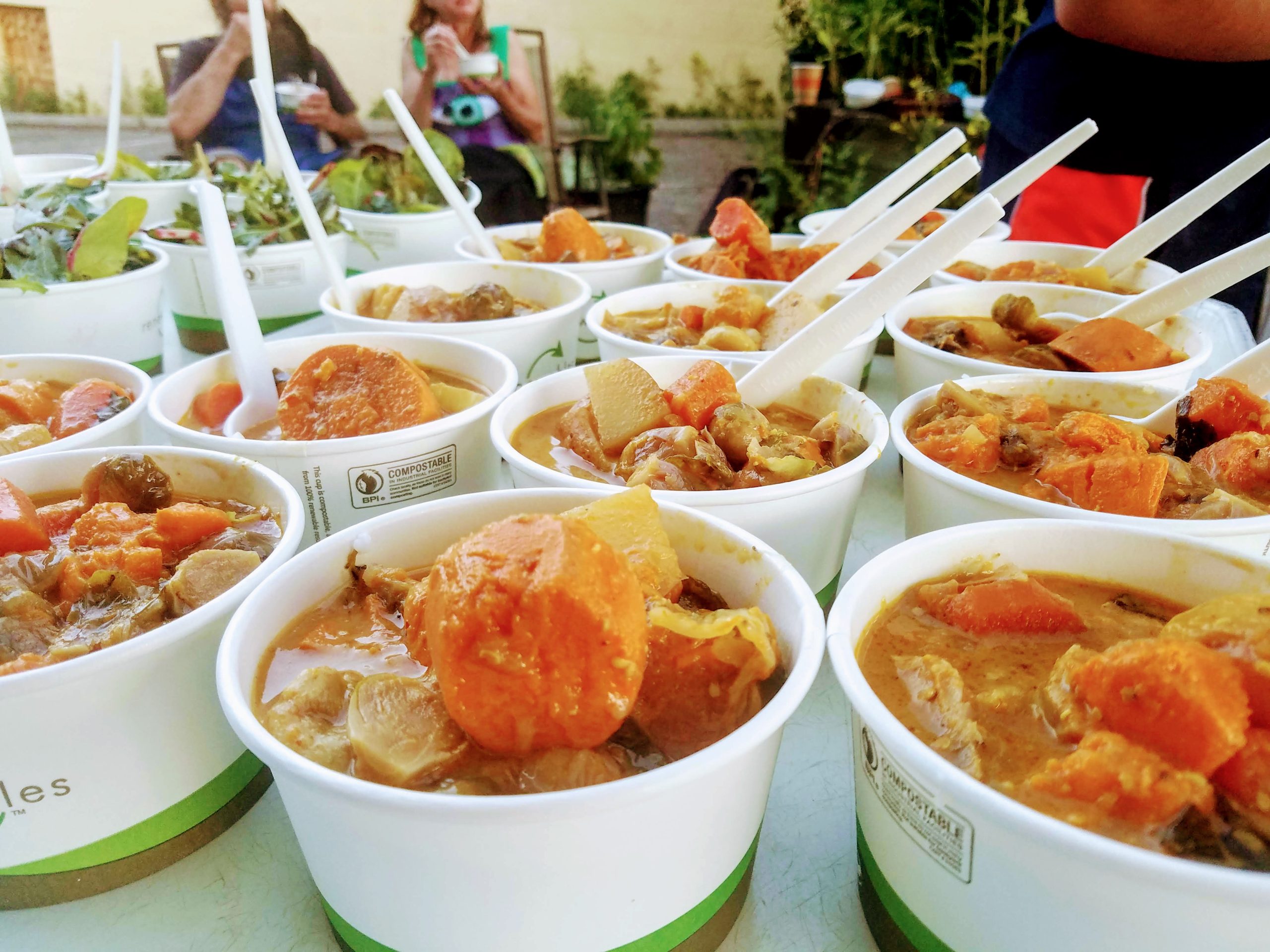
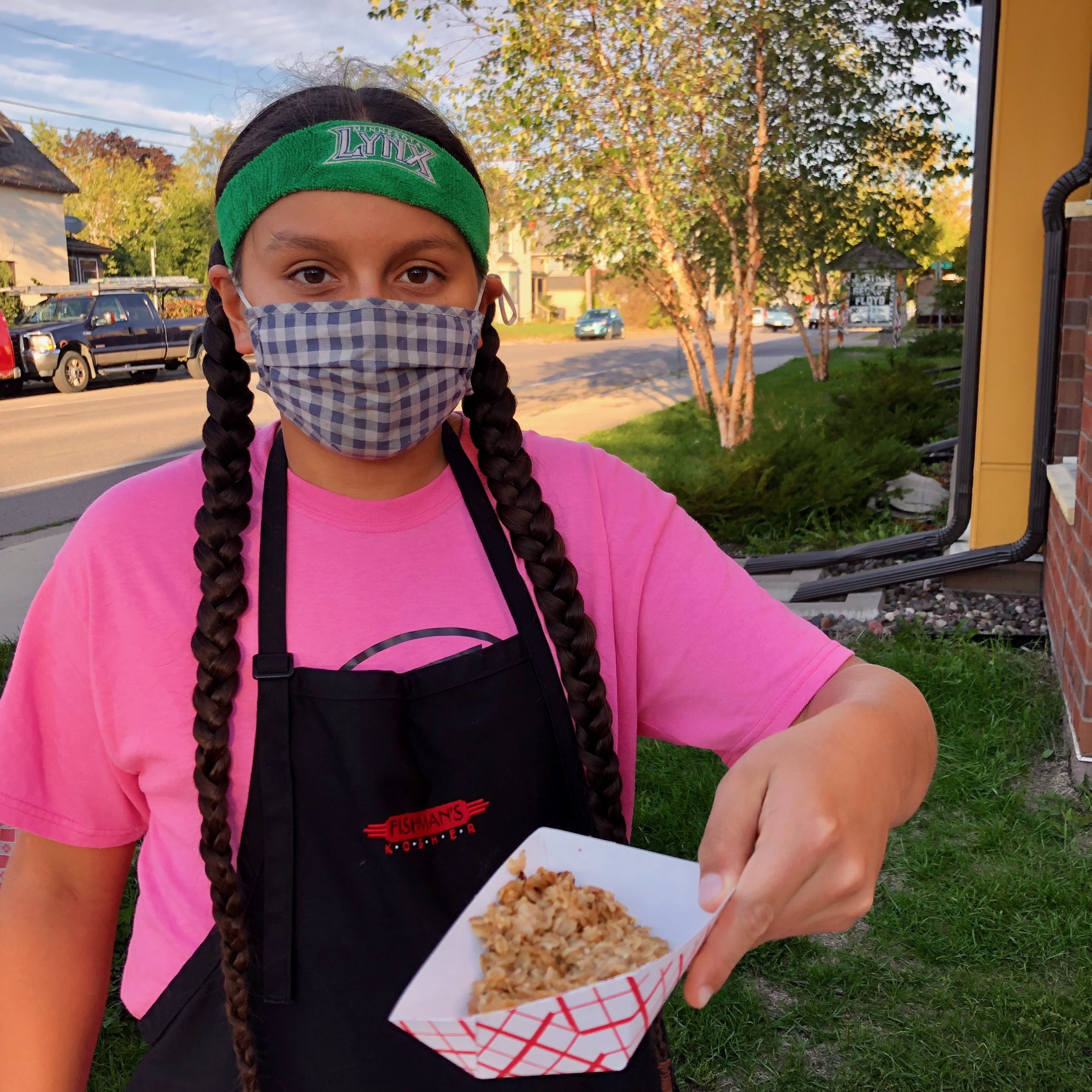
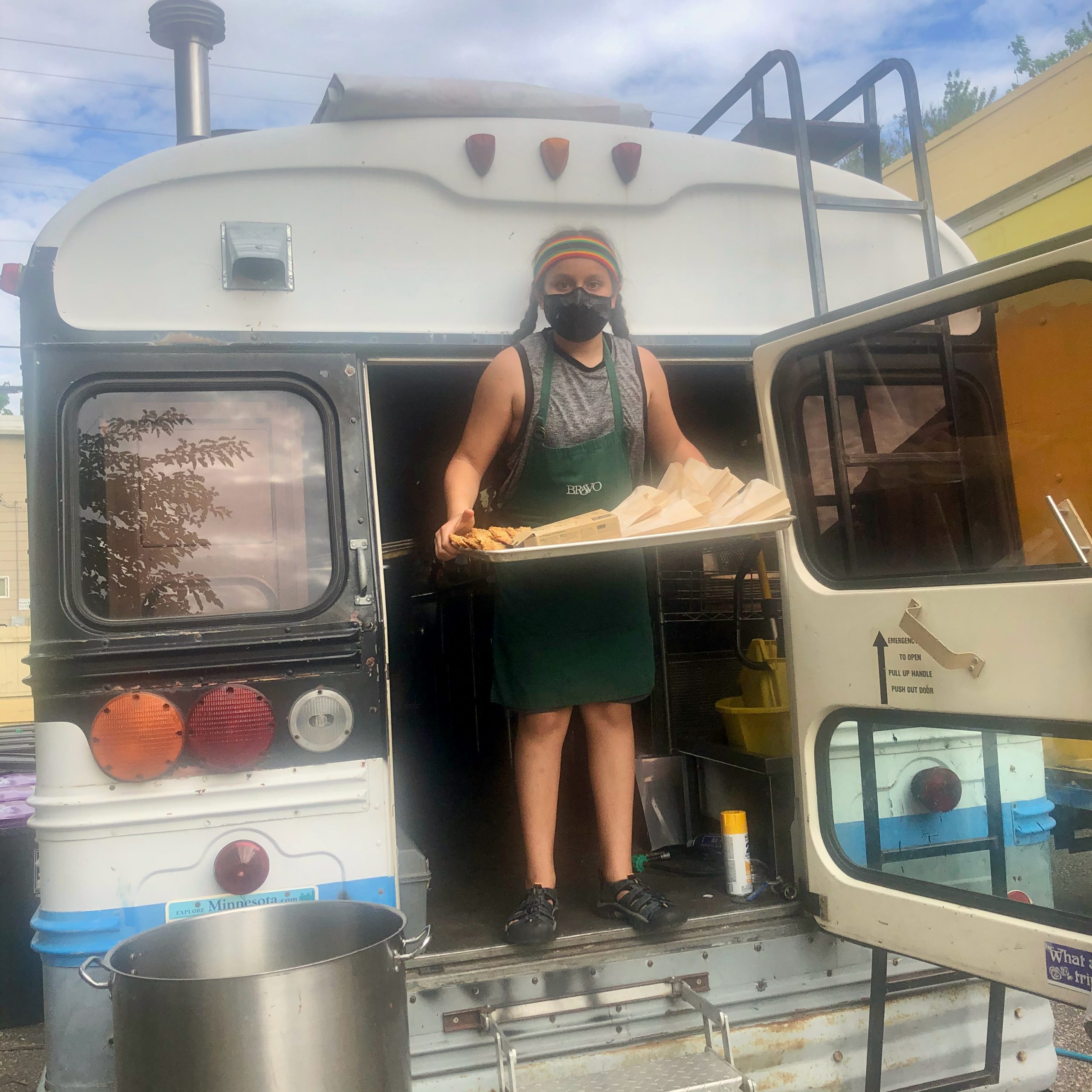
Although the classes have not taken place, Kamu invited a few local kids who regularly visit the weekly community meals he volunteers at, which his partner organization puts on, to come into the kitchen and help out. There was not much instruction on cooking a complete dish, and they were more helped by following simple instructions, as it was more of an impromptu test run. He says that that experience gives him high hopes for the official classes.
Through this experience, the kids were able to help be a part of preparing the meal they were going to eat, thus giving them a more comprehensive understanding of how food ends up in front of them, which is a very important thing for young people to understand and appreciate. The kids said that the whole experience was “a bunch of fun” and were adored by the rest of the volunteers who were cooking the meal. In addition to the class, Kamu plans to assemble a mini cookbook of the recipes that the kids learn during the classes so that they have an aid when they try to implement what they learned at home.
If the classes go smoothly (which he suspects they will), Kamu says he would like to continue coordinating the program and possibly host around one class a month. Through different connections to local cooks of varied backgrounds, he hopes to be able to incorporate many different kinds of ethnic foods into the lessons and recipes. This is especially important so that kids of different ethnicities who may attend the classes can feel represented.
“I learned a lot, and the practice of communicating professionally I got while making arrangements with Sisters’ Camelot will definitely be very useful down the line.” – Kamu Dominguez
Kamu is going on a month-long canoeing expedition in Canada this summer, though some whitewater, and is very excited to be able to apply the whitewater skills he learned at Alzar and the leadership skills he has gained through this project and Alzar to help play an impactful role in the group he is paddling with. He also hopes to use his leadership skills to take his nephews on short camping outings for the first time this summer, now that they are finally getting to the age where they can really engage with the outdoors.